

Project Profile
Monitoring Secretive Marsh Birds
Researchers: Rachel Anderson, Carlos Ramirez-Reyes, Kristine Evans
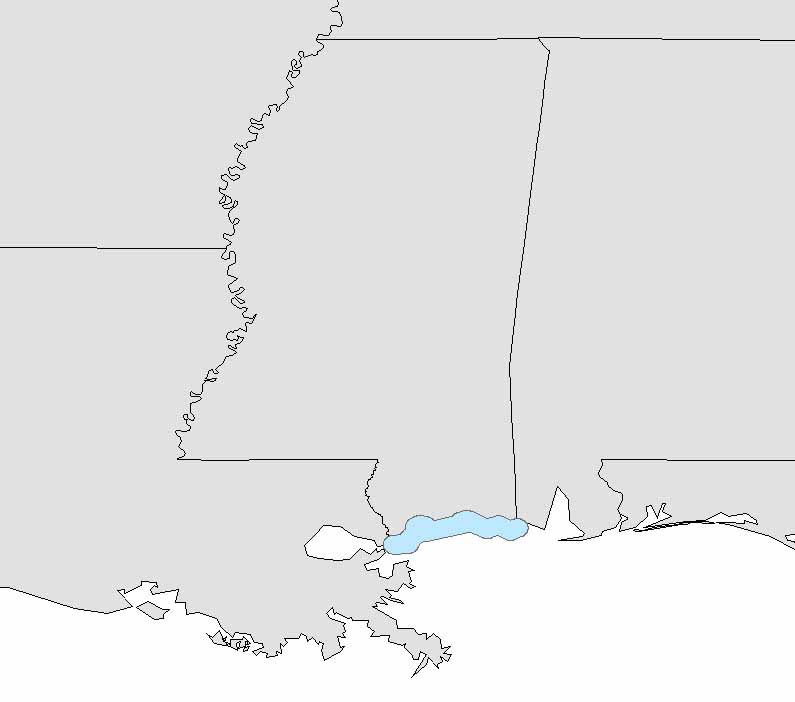
Location: Mississippi Coastline
Project Narrative
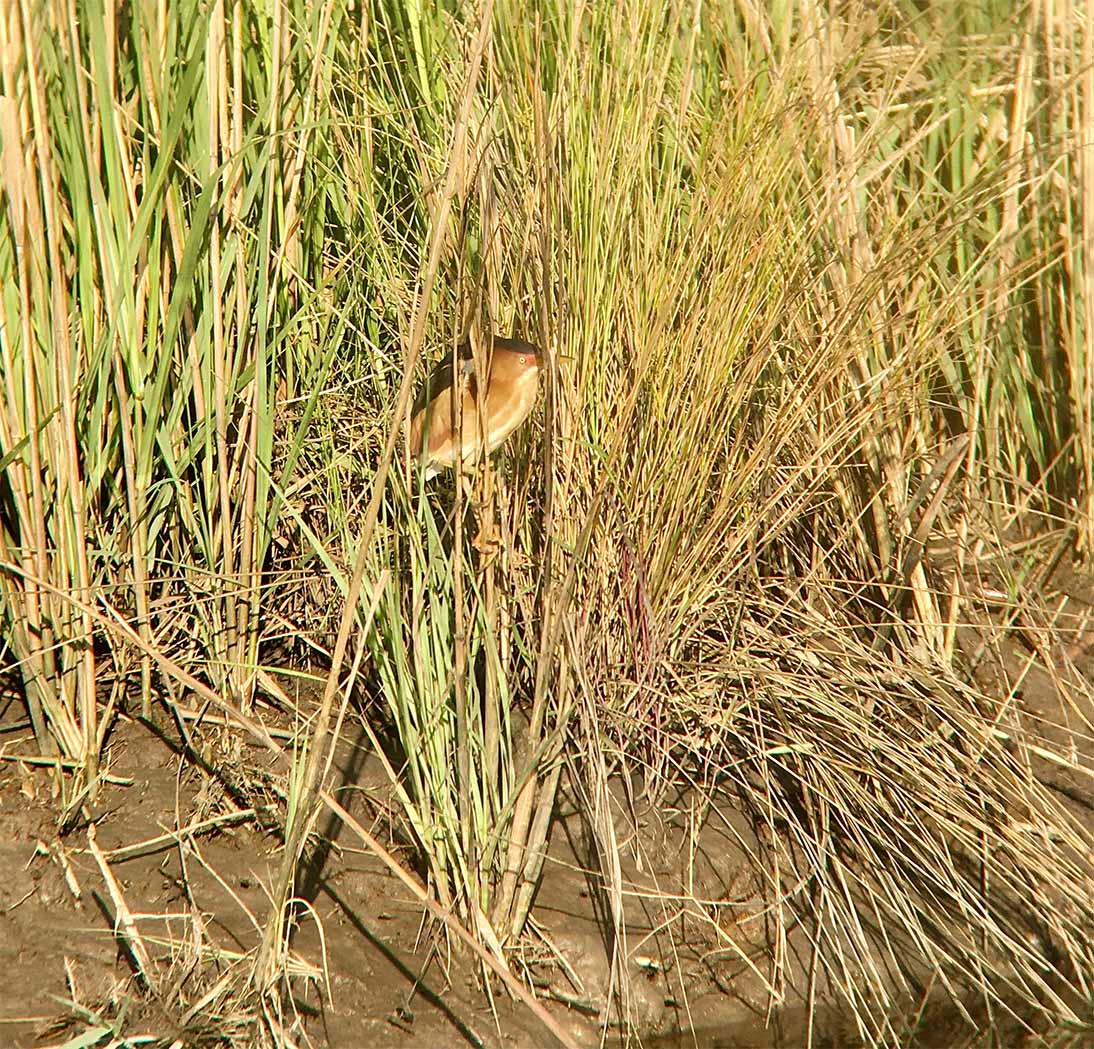
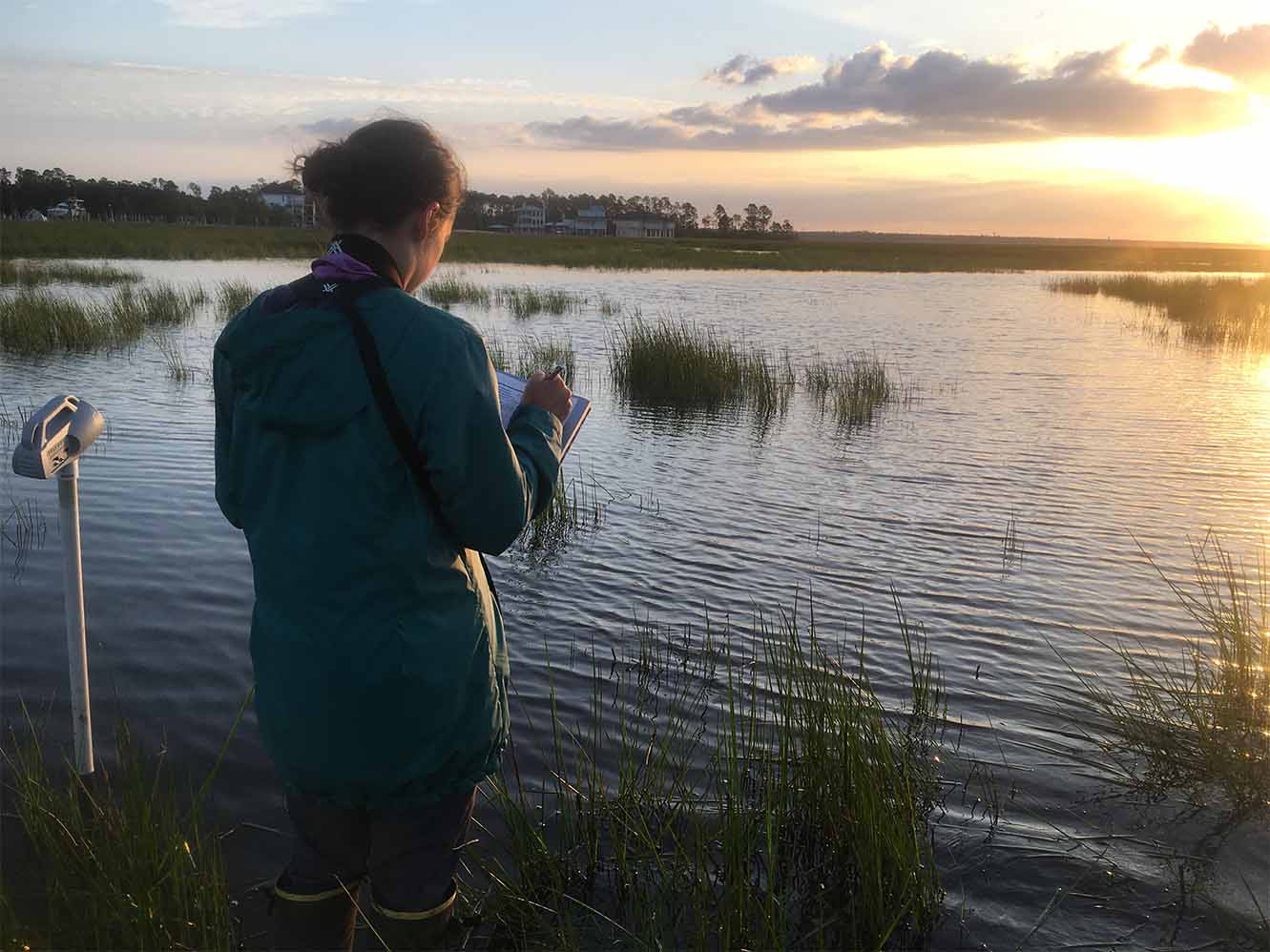
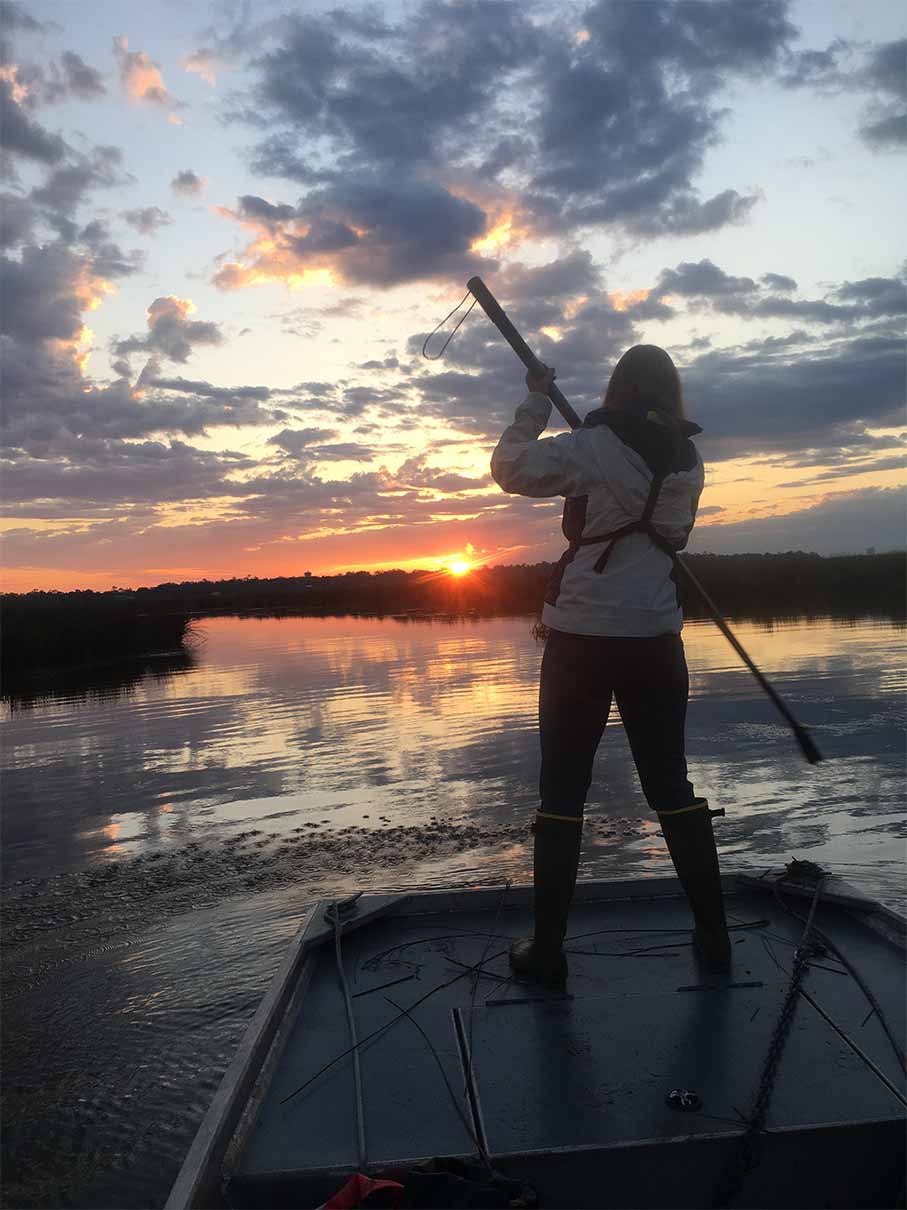
The DeepWater Horizon Oil Spill of 2010 impacted the Mississippi Gulf Coast, but the magnitude of these effects on local avian communities was unknown. The Gulf of Mexico Avian Monitoring Network (GoMAMN) coordinated coast-wide bird monitoring efforts for species impacted by the oil spill and to evaluate bird responses to restoration actions. A component of the bird monitoring effort focuses on a peculiar and elusive group of birds known as 'secretive' marsh birds. Secretive marsh birds include rails and bitterns; they are particularly inconspicuous and hard to detect due to their cryptic morphology, remote habitat, and evasive behavior. Tidal marsh birds can serve as indicators of ecosystem health, including salt marsh integrity, yet we know very little of their ecology along the Northern Gulf of Mexico. Monitoring these birds is a daunting task. It involves boating to remote sites before dawn, slogging through dense expanses of estuarine marsh, and identifying species mainly by sound. Such an effort is justified due to these birds' vulnerability to coastal climate change and inevitable disturbances like hurricanes and oil spills. These birds live life literally on the marsh edge within a dynamic and continually devastated ecosystem. In order to assess their population change over time, long-term monitoring and baseline population estimates are essential.
Partners: Mississippi Department of Marine Resources - Coastal Reserves
National Estuarine Research Reserve - Grand Bay National Wildlife Refuge
Gulf Coastal Plain and Ozarks Landscape Conservation Cooperative
Gulf of Mexico Avian Monitoring Network
Mississippi Department of Wildlife, Fisheries, and Parks
U.S. Fish and Wildlife Service
Sponsors: Mississippi Department of Environmental Quality
Project Photos
Cooperator Spotlight

Mississippi Department of Environmental Quality
- 2021Barela, I., L. M. Burger, G. Wang, K. O. Evans, J. Taylor. (2021). Spatial transferability of expert opinion models for American beaver habitat. Ecological Informatics 61:101211. Download
- 2024Schultz, E.A., N. Ellison, M.R. Boudreau, G.M. Street, L.R. Jones, K.O. Evans, R.B. Iglay. (2024). On the move: Influence of animal movements on count error during drone surveys. Ecological Modelling 14:e70287. Download