

Project Profile
Not in my neighbor's backyard? Examining cascading effects of territoriality following experimental translocations in captive Betta splendens
Researchers: Ali Marchant, Kristine Evans, Carlos Ramirez-Reyes
Location: Starkville, MS 33o27'4" N, 88o47'46" W
Project Narrative
Habitat loss and resulting declines in some species have caused a need for scientists to think "outside the box" to sustain populations. To keep populations thriving, scientists will sometimes translocate an individual or a population to an area that is better suited to them, or reintroduce a population to an area they once inhabited. However, in many species there is little information on how existing populations in an area react to translocated individuals - this is of particular concern for species that exhibit strong territoriality and/or complex social organization. This lack of information is due to the difficulty to measure such behavior in the wild, and different species will respond differently to new individuals in an area depending on their resource defense behavior or social structure. Thus translocation runs the risk of being counterproductive if we do not understand how existing populations may react to new individuals. This could even lead to the loss of critically endangered populations, if stabilized social organization is disrupted.
An aspect of translocation that has rarely been examined is response of territory-holders in an area when individuals are introduced into non-adjacent territories. Many territorial species exhibit a "dear-enemy" effect - where they tolerate known neighbors to avoid the stress of defending territory against unfamiliar individuals. However, the question remains as to how does a territory-holder respond when its familiar neighbor is subject to introduction of an unfamiliar neighbor. Thus, effects of translocation could have disruptive cascades in non-adjacent territories. We know very little about the extent of that disruption and how it may impact fitness of individuals in non-adjacent territories.
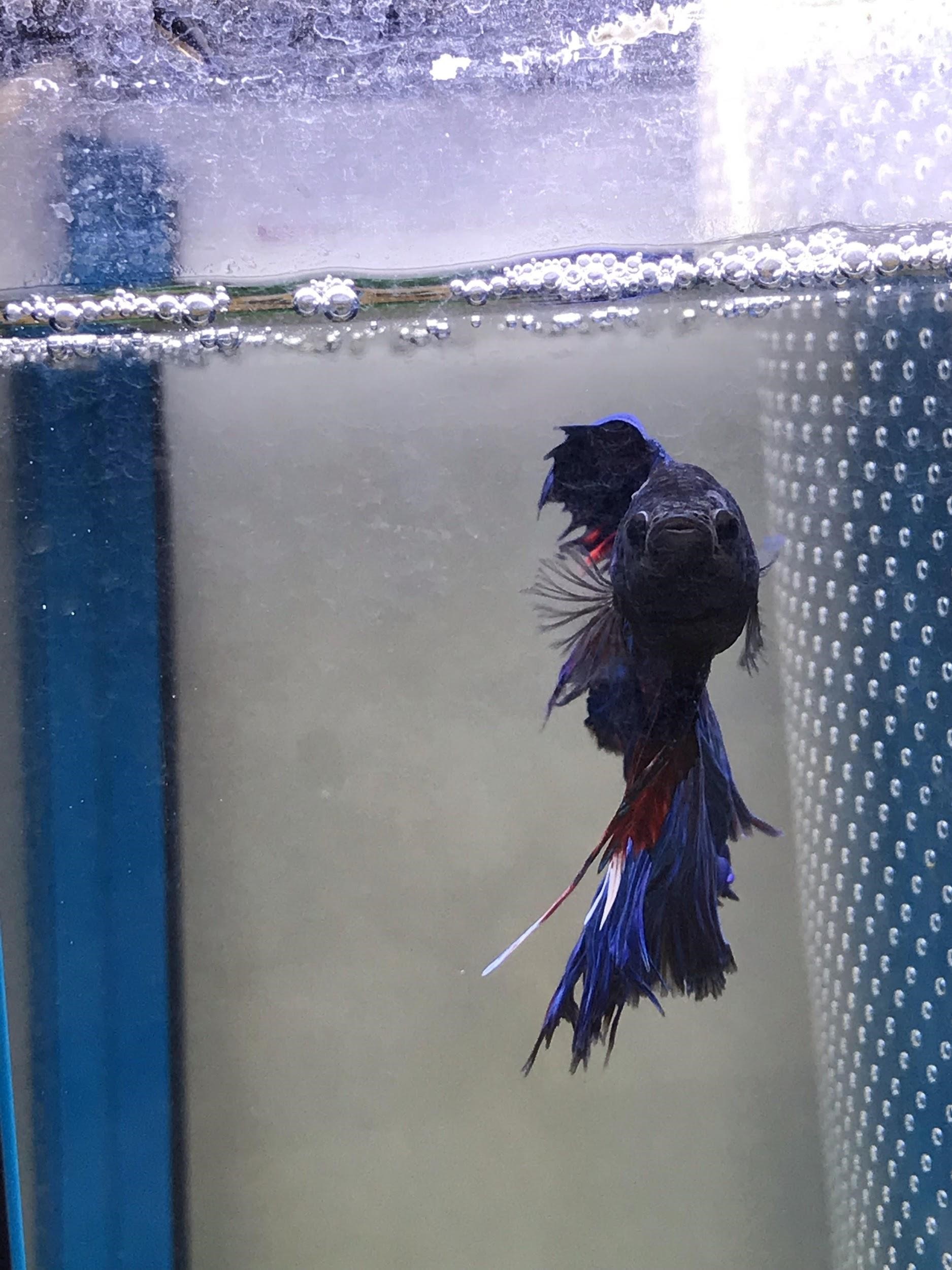
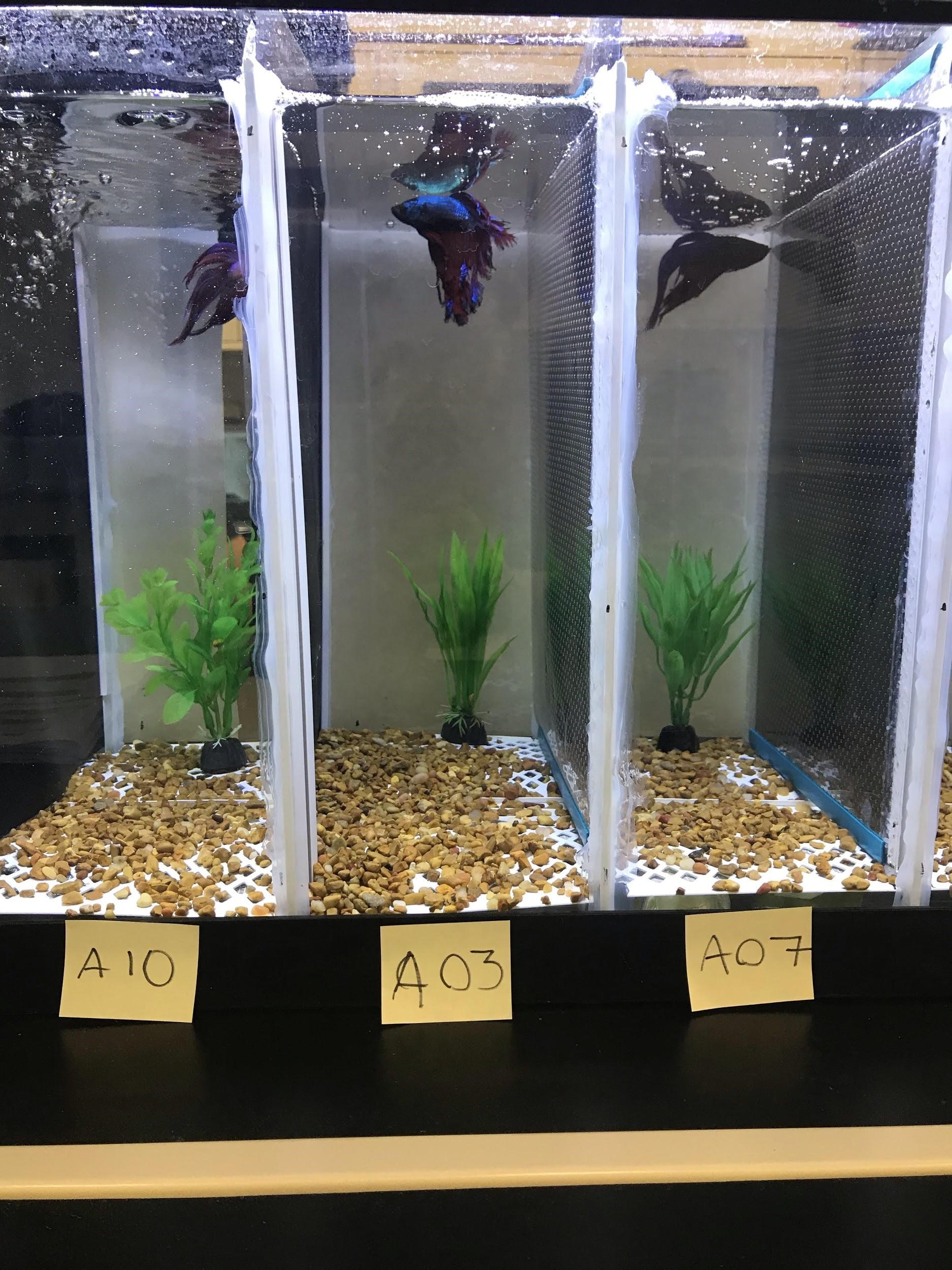
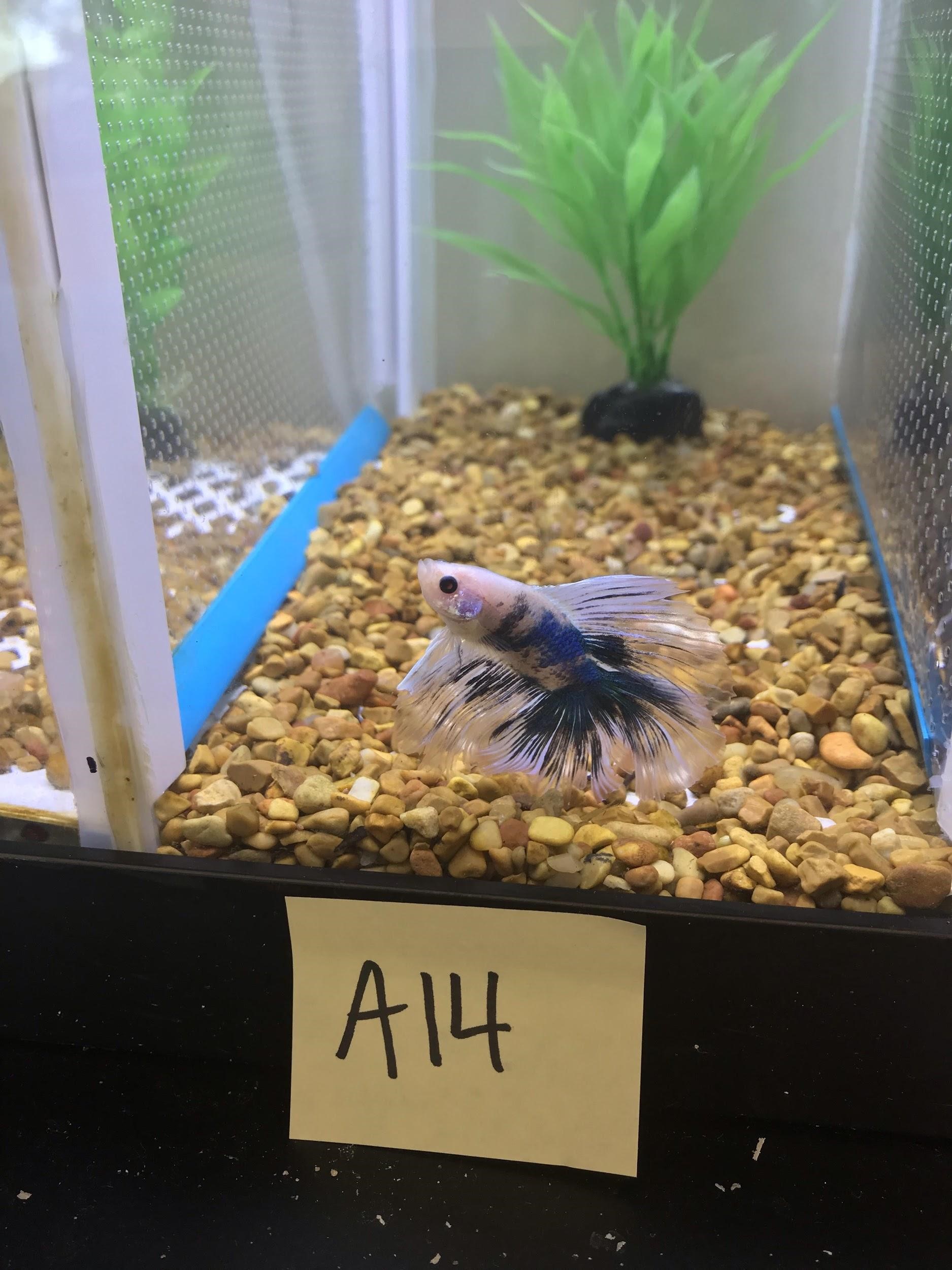
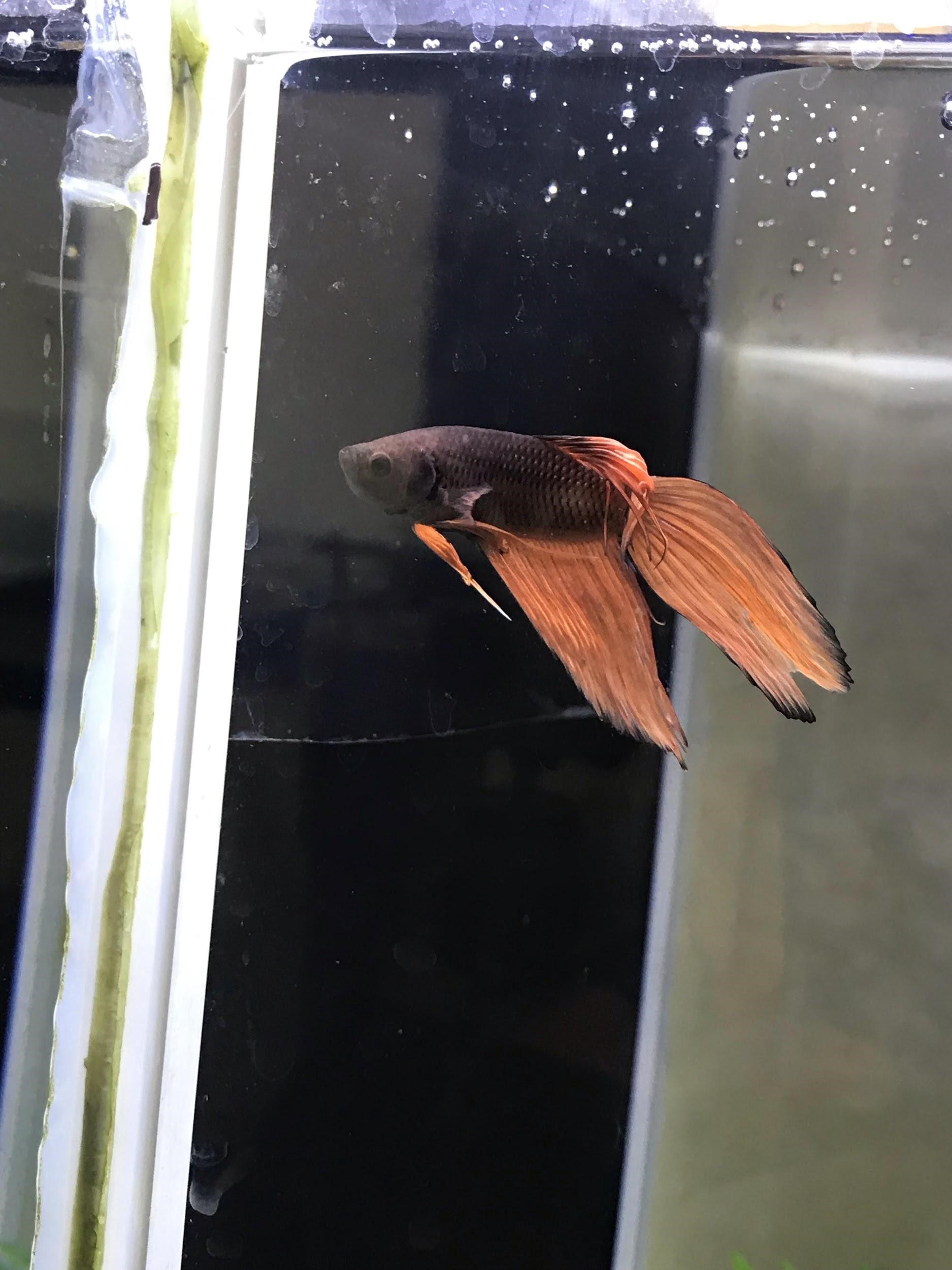
In attempt to better understand cascading effects of territorial behaviors within species, we are using a model species that exhibits extreme levels of territoriality (Betta splendens) to infer potential ecological consequences of translocations into non-adjacent territories. A better understanding of territorial behaviors within populations could reduce costs of translocation efforts and could lead to a more effective and efficient reintroduction and translocation programs for species in the wild.
Project Photos

Cooperator Spotlight

Arkansas Game and Fish Commission
- 2024Schultz, E.A., N. Ellison, M.R. Boudreau, G.M. Street, L.R. Jones, K.O. Evans, R.B. Iglay. (2024). On the move: Influence of animal movements on count error during drone surveys. Ecological Modelling 14:e70287. Download
- 2022Parsons, I.L., M.R. Boudreau, B.B. Karisch, A.E. Stone, D.A. Norman, S.L. Webb, K.O. Evans, G.M. Street. 2022. Aiming for the optimum: examining complex relationships among sampling regime, sampling density and landscape complexity to accurately model resource availability. Landscape Ecology 37:2743—2756. Download